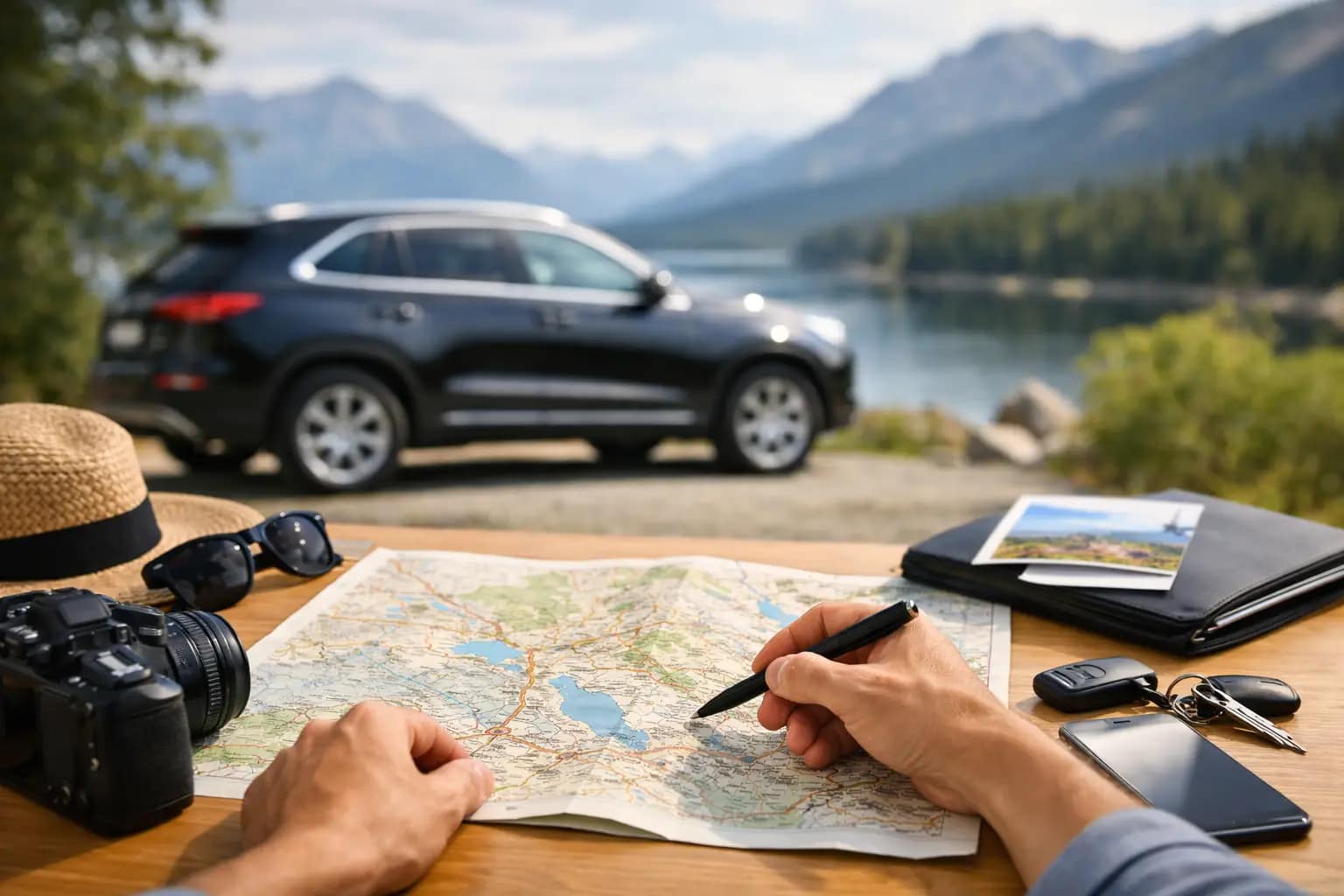
A private day trip can go wrong before you even leave the hotel. Not because the destination is bad, but because the timing is too tight, the route is unrealistic, or nobody clarified how long each stop should last. If you are wondering come pianificare escursione privata giornaliera without wasting time or adding stress, the best approach is simple: plan around travel time first, then build the day around comfort, flexibility, and clear priorities.
For most travelers, the goal is not to fit in everything. It is to enjoy one day that runs smoothly from pickup to return. That matters even more in mountain areas, busy tourist seasons, or when you are coordinating with flights, hotel check-in times, older family members, or business commitments. A well-planned private excursion should feel easy, not rushed.
How to approach come pianificare escursione privata giornaliera
The first decision is not where to go. It is what kind of day you want. Some travelers want scenic views and photo stops. Others want a practical itinerary with fixed appointments, shopping, lunch, and a precise return time. These are two very different day trips, and planning them the same way often creates problems.
Start by deciding your priority. If the day is about relaxation, leave margin between stops and avoid trying to cover too much ground. If the day is about efficiency, map out each appointment, estimate drive times conservatively, and confirm which stops are essential and which are optional. This one step makes the rest of the planning much easier.
It also helps to be honest about energy levels. A couple on vacation may be happy with six or seven hours out. A family with children may need more breaks and fewer transitions. A business traveler may value direct transport, reliability, and exact timing more than sightseeing. Private transportation works best when the schedule matches the people using it.
Start with distance, not wishful thinking
Many day trips look simple on a map and become complicated in real life. Mountain roads, seasonal traffic, parking delays, weather changes, and popular attractions can all add time. That is why the smartest way to plan is to calculate the full day backward from the return time you need.
If you need to be back at your hotel by 6:00 PM, do not just count the drive to the destination. Add pickup time, loading time, realistic road time, short delays, lunch, rest stops, and how long you actually want to stay at each place. A schedule that looks full but manageable on paper can become stressful by midday.
As a practical rule, one main destination plus one or two secondary stops usually makes for a better day than trying to visit four or five places quickly. You see more when you are not watching the clock every hour.
Build in buffer time
Buffer time is what saves a private day trip from becoming uncomfortable. If lunch runs long, weather changes, or you decide to stay an extra 20 minutes at a scenic stop, that margin keeps the day under control. Without it, one small delay affects everything else.
This is especially relevant when the trip includes older travelers, children, luggage, mobility needs, or a timed arrival such as a train, airport transfer, or dinner reservation. In those cases, a private vehicle is not only about comfort. It is about keeping the day predictable.
Choose stops that make sense together
A good itinerary has flow. That means the stops fit geographically and rhythmically. A scenic lookout, a historic town center, and a lunch stop nearby can work well together. A far-off shopping stop added to an already long mountain route often does not.
When people overplan, they usually underestimate transition time. Getting in and out of the vehicle, walking to the viewpoint, taking photos, finding restrooms, and regrouping all take time. None of this is a problem unless the itinerary leaves no room for it.
If you are planning for a group, discuss expectations before booking. Some people want time for photos and walking. Others want the quickest route and minimal stops. Clarifying this early avoids frustration during the trip.
Think about the pace of the day
A day trip should have a natural rhythm. Start with the longest drive when energy is highest, then move into shorter transfers and easier stops later in the day. If you reverse that order, the final stretch can feel heavier than expected.
Lunch matters too. A relaxed meal can improve the whole day, but only if it fits the schedule. If the route is tight, a shorter lunch may be the better choice. If the day is scenic and flexible, a longer stop can make the experience more enjoyable. There is no universal formula here. It depends on whether the trip is built for sightseeing, errands, or a mix of both.
Transportation changes the quality of the trip
When people think about planning, they often focus only on destinations. In reality, transport quality affects the day just as much. A private excursion is easier to enjoy when pickup is punctual, the vehicle is clean and comfortable, and the route can adapt if plans change.
That flexibility is useful in several situations: if weather suggests changing the order of stops, if a restaurant is full, if one member of the group gets tired, or if a planned stop turns out to need less time than expected. With private transportation, the day can adjust without the disruption that often comes with fixed public schedules or the hassle of self-driving in unfamiliar areas.
For visitors staying in Bressanone or traveling across South Tyrol, this can make a noticeable difference. Roads, parking, and timing are easier to manage when handled by a professional local service that is used to both tourist and business travel needs. Taxi Brixen Bressanone James is often chosen for exactly this reason: the focus stays on reliability, clear scheduling, and practical support rather than unnecessary complications.
Budget for the full experience, not only the ride
A private day trip has more than one cost. Transportation is one part, but entrance fees, meals, shopping, tolls, and timing-related extras can affect the total. Planning this early helps you avoid making decisions under pressure during the day.
The cheapest-looking option is not always the most practical. If lower cost means less flexibility, unclear pickup timing, or a route that does not match your actual plans, the day may become more expensive in time and stress. For many travelers, the value of a private service is not luxury. It is efficiency, comfort, and fewer problems.
If you are requesting a quote, be specific. Share the pickup address, number of passengers, preferred departure time, destinations, expected wait time, and return point. The clearer the request, the more accurate the quote and the smoother the day.
Questions worth answering before you book
Before confirming any private excursion, make sure you know the departure time, estimated total duration, amount of luggage if any, whether child seats are needed, and how fixed or flexible the itinerary should be. If there is a flight, train, or event afterward, mention it immediately.
These details are easy to overlook, but they shape the service. A provider can plan much better when the day has clear parameters. That reduces misunderstandings and gives you a more realistic schedule from the start.
Weather, season, and local conditions matter
Even the best itinerary changes depending on the time of year. Summer can mean more traffic and crowded destinations. Winter may affect road conditions and daylight hours. Shoulder seasons can be ideal for a calmer experience, but some attractions may have reduced hours.
This is why local knowledge matters when planning a private day trip. A route that works well in one month may need adjustments in another. The same applies to departure times. Leaving earlier can sometimes turn a busy, compressed day into a much more comfortable one.
If your destination depends heavily on views, outdoor walking, or mountain access, have a backup idea. A flexible private trip works best when there is a Plan B that still fits the day if weather changes.
The best private day trips feel simple
The real sign of good planning is that the day feels effortless. Pickup happens on time. The route makes sense. Stops are long enough to enjoy but not so long that the day drags. Nobody is anxious about what comes next.
That usually comes from making a few disciplined choices at the start: selecting one main goal for the day, allowing buffer time, being realistic about distances, and choosing transportation that supports the schedule rather than fighting against it. Trying to do too much is the most common mistake. Doing the right amount, well, is what makes the trip worthwhile.
If you are planning your next private excursion, think less about how many places you can fit in and more about how you want the day to feel. That is usually where the best decisions begin.

Pingback:A Practical Guide to Private Tours - Taxi Brixen Bressanone James
Pingback:Best Private Sightseeing Routes Near Bressanone - Taxi Brixen Bressanone James