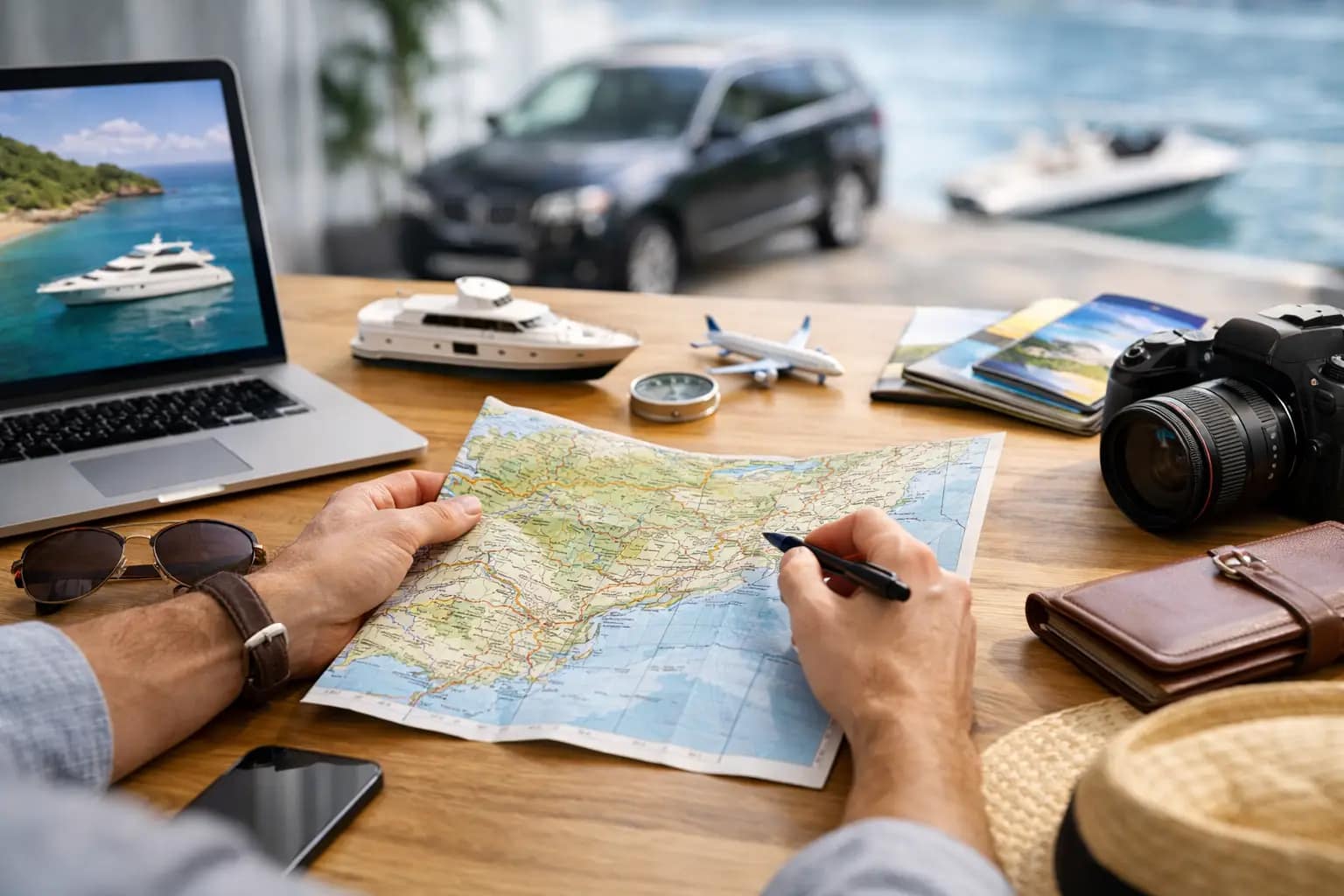
A private excursion can look simple on paper and still go off track fast. One late pickup, one unrealistic stop, or one wrong assumption about timing can turn a relaxing day into a rushed one. If you are wondering how to plan a private excursion that feels smooth from start to finish, the difference is usually in the details you decide before the day begins.
Private excursions work best when they are built around real travel conditions, not just a wish list. That matters whether you are visiting South Tyrol for the first time, arranging a day out from your hotel, planning a business-side trip with limited free time, or organizing transport for family or guests. The goal is not to fit in everything. The goal is to create a day that runs well, feels comfortable, and leaves room for the unexpected.
Start with the reason for the trip
Before choosing destinations, start with the purpose of the excursion. Some travelers want scenic routes and photo stops. Others care more about shopping, local food, cultural landmarks, or simply moving comfortably between places without worrying about parking or directions. A business traveler may need a very precise schedule, while a couple on vacation may prefer a slower pace.
This first step shapes every other decision. If the day is about seeing as much as possible, your route and timing will be tighter. If the day is about comfort and flexibility, you need more open space in the schedule. A good private excursion is not just personalized because it is private. It is personalized because the plan matches the real priority of the person traveling.
Choose realistic destinations
One of the most common planning mistakes is underestimating distances and transition time. A stop may look close on a map, but mountain roads, seasonal traffic, event days, and parking delays can all change the day. This is especially true in areas where travel times vary depending on weather and road conditions.
When deciding where to go, it helps to separate must-see stops from nice-to-have stops. That gives you a strong core itinerary without overloading the day. If time allows, extra stops can be added. If there is a delay, the experience still feels complete.
This is also where local transport support makes a real difference. A professional private driver often knows which routes save time, which stops combine well, and which plans look good online but are not practical in real conditions. That local judgment helps protect your time.
How to plan a private excursion without rushing
The best private excursions have rhythm. They move efficiently, but they do not feel rushed. To get there, think in travel blocks rather than minute-by-minute scheduling. If you leave your hotel in the morning, plan the first main stop with enough margin so a small delay does not affect the rest of the day.
Try to avoid stacking too many fixed-time activities back to back. A lunch reservation, a museum entry window, and a return transfer all in the same narrow time frame can create pressure. In most cases, one or two fixed points in the day are enough. The rest of the itinerary should have some flexibility.
It also helps to be honest about energy levels. Families with children, older travelers, and guests arriving after a flight often need a gentler pace. A route that works for experienced travelers may feel tiring for someone who has already spent hours in transit. Good planning is not only about distance. It is about comfort over the full day.
Plan transportation early, not last
Transport is often treated as the final detail, but it should be one of the first decisions. The reason is simple. Transportation affects timing, route options, pickup logistics, luggage handling, and how easily you can adapt if plans change.
If you are relying on public transportation for a private day trip, your schedule depends on fixed departures and connections. That can work for some routes, but it reduces flexibility. A rental car gives more control, yet it also adds navigation, parking, local driving rules, and responsibility for staying on schedule. For many travelers, especially in unfamiliar areas, private transport is the simplest way to remove friction.
A dedicated service is particularly useful when the excursion starts at a hotel, train station, or airport, or when the route includes multiple stops. It keeps the day connected. You are not solving a new transport problem at every stage.
Think through pickup, waiting time, and return
A private excursion is rarely just about the destination. The day starts at pickup and ends when you are back where you need to be. That is why the practical points matter as much as the sightseeing.
Confirm the pickup address carefully, especially if you are staying at a large hotel, apartment, or property with limited street access. If you are arriving by train or plane, account for baggage claim, platform changes, or possible delays. If the excursion includes shopping or extra luggage, make sure the transport arrangement fits that reality from the beginning.
Return planning matters just as much. Some guests want a direct return to the hotel. Others may need to finish at a restaurant, station, or another city location. Stating that clearly in advance avoids confusion and helps build a better route. A practical plan always includes the end of the day, not only the exciting middle.
Build in flexibility for weather and timing
Even the best plan may need adjustment on the day itself. Weather can affect visibility, road comfort, and how enjoyable an outdoor stop actually is. Seasonal demand can create delays in popular areas. Travelers may also change their minds once they see how the day is unfolding.
That is why flexibility is not a bonus. It is part of good planning. If one scenic stop becomes less appealing in rain, it helps to have an indoor alternative or a shorter route option. If lunch runs longer than expected, the plan should still work without stress.
This is one reason private excursions are often preferred over rigid group tours. The day can respond to real conditions instead of forcing everyone through the same schedule. With the right transport setup, small adjustments stay small and do not disrupt the whole experience.
How to plan private excursion costs wisely
Budget matters, but the cheapest option is not always the most efficient one. When comparing transport choices, look at the full cost of the day, not just the base fare. Parking, fuel, tolls, multiple tickets, wasted time, and missed connections can add up quickly.
Private transport is often chosen for convenience, but it also brings predictability. You know who is handling the route, what kind of timing support you have, and how the day is structured. For couples, families, small groups, and business travelers, that predictability can be worth more than a lower headline price.
It is also worth asking what is included. Some excursions need waiting time, additional stops, hotel pickup, or a custom return point. Clear communication about these details helps avoid surprises and gives you a more accurate quote.
Share the right information in advance
Once you have the outline of the day, share the details early. The most useful information includes your pickup location, number of travelers, preferred stops, approximate timing, luggage needs, and any special requests. If children are traveling, if mobility is limited, or if there is a hard deadline for return, say so from the beginning.
This kind of clarity leads to better service. It also reduces last-minute corrections. A professional provider can usually adapt to changing needs, but the more accurate the starting information is, the smoother the day will be.
For travelers in and around Bressanone, this is where a local operator such as Taxi Brixen Bressanone James can be especially helpful. When transport is arranged with people who know the area, common timing issues are easier to anticipate and the route can be tailored more precisely to the guest.
Keep the day simple enough to enjoy
The strongest excursion plans are often the simplest. A clear route, realistic timing, reliable pickup, and room to adjust usually create a better experience than an overloaded itinerary. Private travel should remove pressure, not add to it.
If you are planning for guests, clients, or family members, think about what they will actually remember. Usually it is not the number of stops. It is whether the day felt easy, comfortable, and well managed. That is what good planning delivers.
A well-organized private excursion gives you something more valuable than a full schedule. It gives you the freedom to enjoy the day without constantly checking the clock.
