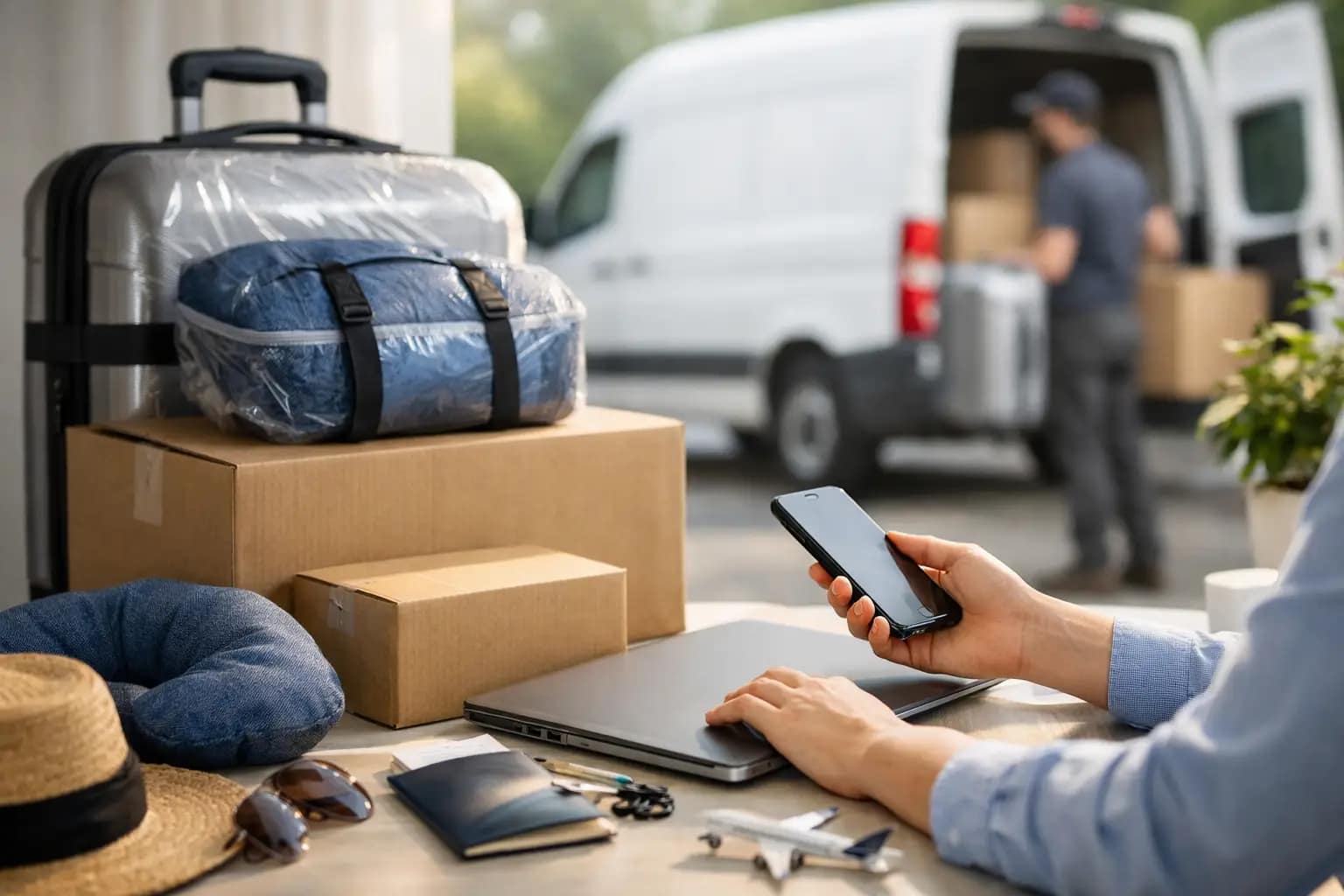
You notice the problem before the trip even starts: one large suitcase, one carry-on, a train connection, and a hotel check-in that does not line up with your arrival. That is usually the moment people start asking how to send luggage ahead instead of dragging everything through airports, stations, and city streets.
For many travelers, sending luggage ahead is not a luxury. It is a practical way to simplify the day, reduce delays, and move more comfortably from one point to another. It can make sense for family vacations, business trips, ski travel, hotel stays, and airport transfers, especially when timing is tight or the route includes multiple stops.
How to send luggage ahead the right way
The simplest approach is to decide first where the bags need to go and when they must arrive. Those two details shape everything else. Sending luggage to a hotel is different from sending it to a private address. Sending bags ahead for a flight connection is different from arranging delivery for a longer stay.
In most cases, you have three workable options. You can use a luggage shipping service, arrange direct bag delivery through a private transport provider, or coordinate with your hotel if they accept baggage before check-in. The best choice depends on distance, timing, the number of bags, and how much flexibility you need if plans change.
If your priority is price alone, standard shipping may work. If your priority is control, punctuality, and a clear point of contact, a direct transport service is often the better fit. That is especially true when you are traveling with valuable items, sports gear, business materials, or a tight arrival schedule.
Start with timing, not with price
Many travelers compare costs first and only later realize they have chosen the wrong delivery window. A lower rate does not help if your luggage arrives after you do. Before booking anything, confirm the exact handoff time, expected arrival slot, and what happens if there is a delay.
This matters even more if you are changing hotels, landing late, or moving between a train station and a property with limited front desk hours. A good luggage plan is not just about transport. It is about coordination.
Confirm who will receive the bags
This step is often overlooked. If you send luggage to a hotel, call ahead and ask whether the front desk accepts bags before check-in and whether they will store them securely. If you are sending them to a rental property or private apartment, make sure there is a named contact available to receive them.
Without a confirmed receiver, even a perfectly timed delivery can turn into a problem. Labels and tracking help, but they do not replace direct communication.
When sending luggage ahead makes the most sense
Some trips benefit from it more than others. If you are flying with children, traveling for work, carrying bulky winter clothing, or arriving in an unfamiliar city, sending luggage ahead can remove a lot of unnecessary effort.
It is also a smart choice when the travel day includes stairs, parking transfers, train platforms, or long waits between connections. People often think of luggage delivery only for long vacations, but it can be just as useful for a one-night business stay if it allows you to move directly from the airport to meetings without carrying everything with you.
There is also a difference between “can” and “should.” Technically, you can manage several bags on your own. That does not always mean it is the most efficient way to travel.
Flights, trains, hotels, and events
Air travel is one of the most common reasons people look into luggage delivery. Airline baggage rules can change, airport queues can be unpredictable, and large bags add time at every stage. Sending luggage ahead may reduce the pressure, particularly if you want to travel lighter on the day itself.
Train travel presents a different issue. It is not usually about baggage fees. It is about handling suitcases across platforms, lifts, and station exits. If your final destination is a hotel, resort, or event venue, having the bags delivered separately can make the trip easier from start to finish.
What to check before you book
A reliable service should be clear about collection, delivery, handling, and communication. If the details are vague, that is usually a warning sign. You want to know not only the cost, but also the process.
Ask whether the service is door-to-door, whether the bags travel directly or through sorting hubs, and how delays are communicated. Also confirm whether there are limits on weight, size, or special items such as skis, strollers, presentation materials, or medical equipment.
Insurance matters too, but it should be read carefully. “Covered” can mean different things depending on the provider. Check declared value limits, exclusions, and how claims are handled if damage or loss occurs.
Labeling and packing still matter
Even with a professional service, luggage should be packed properly. Use a durable suitcase or travel bag, remove old labels, and place your name, phone number, and destination details both outside and inside the bag. If the delivery is tied to a hotel booking, include the guest name exactly as it appears on the reservation.
Do not pack passports, medication, wallets, laptops, keys, or anything you need during transit. Sending luggage ahead works best when the bag contains items you can reasonably wait to access until arrival.
Common mistakes that create delays
Most baggage delivery problems are preventable. The first common mistake is booking too late. If you need the luggage at a precise time, last-minute requests may limit your options or increase the risk of delay.
The second is incomplete address information. A hotel name alone may not be enough, especially in larger cities or resort areas. Add the full address, a contact number, and any reception instructions.
The third is assuming all services work the same way. Some operate like parcel shipping, with broad delivery windows and standard tracking. Others offer more direct handling and personalized scheduling. Neither model is automatically better. It depends on the trip.
It depends on what you value most
If you are planning well in advance and cost is the main concern, a conventional luggage shipper may be enough. If your trip includes a late arrival, multiple bags, special requests, or a destination that requires careful coordination, a direct transport solution can be more dependable.
That is often why travelers and hotel guests prefer working with a local provider that understands arrival times, accommodation logistics, and regional routes. In areas with strong tourism traffic, this local knowledge can save time and avoid confusion. Services like Taxi Brixen Bressanone James are built around that kind of practical support, especially when the goal is not just moving bags, but making the whole transfer easier.
How to send luggage ahead for international travel
International trips require more planning. Customs rules, prohibited items, and transit times can all affect delivery. If the luggage is crossing borders, ask early whether extra documentation is required and whether the estimated delivery window includes customs processing.
This is where people often need to be realistic. Sending luggage ahead internationally can be very convenient, but it is not always the fastest option. If you need absolute certainty for a next-day arrival, verify every step before you commit.
You should also be more selective about what goes inside the bag. High-value items, documents, and electronics are usually better kept with you unless the service is specifically designed and insured for those categories.
A simple way to decide
If carrying your bags will slow down the trip, create stress, or complicate transfers, sending them ahead is worth considering. If the route is simple, the stay is short, and you only have one manageable bag, you may not need it.
The key is to look at the full travel day, not just the bag itself. A suitcase is rarely the real issue. The issue is how that suitcase affects timing, comfort, and the margin for error.
When the service is planned well, luggage delivery feels less like an extra arrangement and more like removing a problem before it appears. That is usually the smartest reason to do it.
