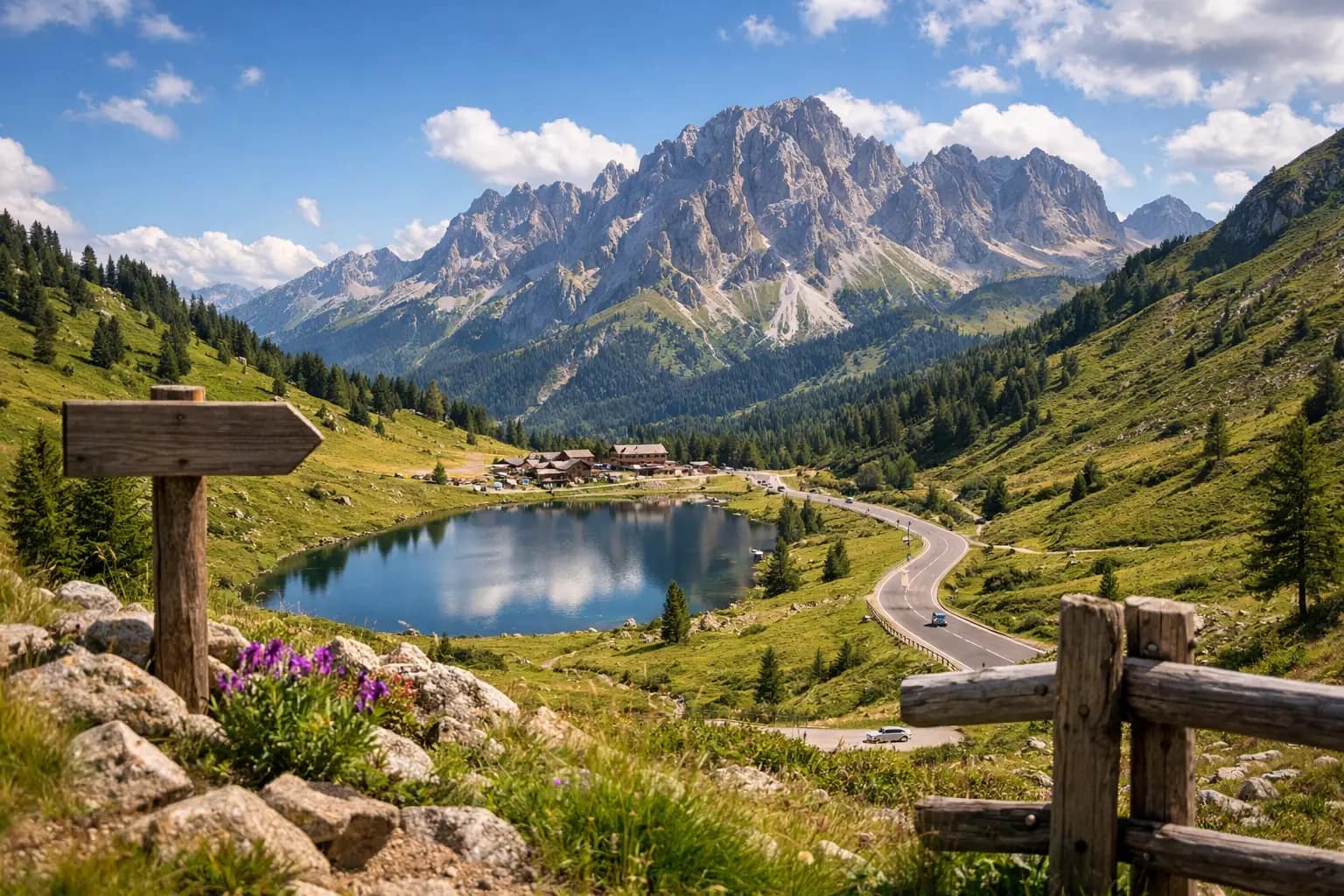
Passo San Pellegrino is one of those mountain destinations where the road itself is part of the experience. The pass sits between major Dolomite areas and draws visitors in every season – winter for skiing, summer for hiking, and all year for the views. For travelers planning the route, the real question is not whether it is worth visiting. It is how to reach it comfortably, on time, and without turning a mountain transfer into a stressful part of the day.
Why Passo San Pellegrino stands out
Passo San Pellegrino is known for its wide-open alpine setting, reliable access to outdoor activities, and position between well-known valleys in the Dolomites. It feels less crowded than some headline destinations, but it still offers the kind of scenery people expect when they picture this part of northern Italy.
That balance matters. Some mountain areas are beautiful but inconvenient. Others are easy to reach but feel overly commercial. Passo San Pellegrino sits in a useful middle ground. You can come for a ski day, a longer vacation, a hotel stay, a mountain lunch, or a private excursion, and each option makes sense depending on the season.
In winter, the area is a practical choice for skiers and families who want organized facilities without the pressure of a busy urban resort atmosphere. In summer, the pass becomes attractive for hikers, sightseers, and guests who simply want to spend time at altitude with less traffic and cleaner air. That flexibility is one reason many travelers include it in a broader Dolomites itinerary.
Getting to Passo San Pellegrino without guesswork
For many visitors, the hardest part is not choosing the destination. It is organizing the transfer. Mountain roads require timing, weather awareness, and realistic planning. A route that looks simple on a map can become slower if there is snowfall, weekend traffic, road work, or a tight hotel check-in schedule.
If you are arriving from an airport, train station, hotel, or another resort town, private transportation often becomes the most direct solution. This is especially true for travelers with ski equipment, multiple bags, children, or a fixed timetable. Driving yourself can work well in good conditions, but it comes with trade-offs. You need to manage winter tires or chains, parking, navigation, and the usual uncertainty of mountain traffic.
A pre-booked transfer removes those variables. For guests coming from Bressanone, other parts of South Tyrol, nearby valleys, or longer-distance arrival points, a professional car service makes the day more predictable. That matters even more for business travelers or hotel guests who do not want delays at the start or end of a trip.
When to visit Passo San Pellegrino
Winter travel
Winter is the season most travelers associate with Passo San Pellegrino. Snow conditions, ski access, and the alpine landscape make it a strong choice for day trips and longer stays. If your priority is skiing or a winter holiday, this is when the destination is at its most active.
The trade-off is that winter also requires the most planning. Departure times matter more, roads can change quickly with weather, and luggage tends to be heavier. If you are traveling with sports equipment or moving between accommodations, a private transfer is often the most practical option.
Summer travel
Summer offers a different rhythm. The roads are generally easier, the mountain scenery is at full strength, and the pass works well for hiking, panoramic stops, and private excursions. It is a good season for travelers who want the Dolomites without the pressure of winter logistics.
That said, summer weekends and holiday periods can still be busy. If you are building a multi-stop day in the mountains, precise transport planning still makes a difference.
Who benefits most from a private transfer
Passo San Pellegrino is not only for vacationers with a rental car. In practice, many types of travelers benefit from arranging transportation in advance.
Hotel guests often need a smooth arrival after a flight or train journey. Families usually prefer door-to-door service rather than moving bags and children through several connections. Skiers and hikers appreciate extra space and a driver familiar with mountain routes. Business travelers, while less common in resort areas, value punctuality and the ability to keep the schedule controlled.
There is also the simple issue of comfort. After a long arrival day, most people do not want to study mountain driving rules, parking options, and weather updates. They want to get where they are going safely and on time.
Passo San Pellegrino and road conditions
What travelers often underestimate
The route to Passo San Pellegrino is scenic, but mountain travel always depends on conditions. Curves, elevation, and seasonal changes affect travel times more than many visitors expect. A navigation app may show one number, but local knowledge often tells a more accurate story.
This is where planning makes a real difference. Leaving too late can affect hotel check-in, restaurant reservations, ski schedules, or onward connections. Leaving too early is better than rushing, but it is not always practical if you are coordinating an airport pickup or train arrival.
A local transfer provider can account for these variables more reliably than a traveler trying to piece together the trip after landing. For guests who want fewer unknowns, that matters more than shaving a few minutes off the route.
Winter equipment and safety
If you choose to drive yourself in colder months, proper winter equipment is essential. Conditions can change quickly, and legal requirements may apply depending on the period and area. This is manageable for experienced mountain drivers, but not everyone wants that responsibility on vacation.
Using a professional transfer service reduces that burden. It lets passengers focus on the trip rather than the road conditions.
Best uses for a transfer to Passo San Pellegrino
A transfer to Passo San Pellegrino is useful in more situations than people initially think. It can be a direct airport transfer, a hotel-to-hotel move, a day trip, or one segment of a longer Dolomites journey. Some travelers use it to connect ski areas. Others book a return trip so they do not need to think about parking or late-day driving back through mountain roads.
This flexibility is especially helpful if your itinerary is not fixed. Weather, check-in times, restaurant plans, and activity bookings can shift. A responsive transport service gives you more control than public options and less pressure than self-driving.
For travelers staying in South Tyrol and planning a custom mountain day, services such as Taxi Brixen Bressanone James can fit naturally into that plan, particularly when punctual pickup, luggage handling, and local route knowledge are priorities.
How to plan the trip well
The smartest approach is to treat Passo San Pellegrino as a destination that deserves timing, not improvisation. Confirm where you are starting from, how much luggage you have, whether you are carrying ski gear, and what time you need to arrive. If you are traveling during winter weekends or holiday periods, allow extra margin.
It also helps to think about the return. Many travelers carefully plan the outbound trip and only later realize they need transportation back at a specific hour. Booking both directions in advance often avoids last-minute stress.
If your itinerary includes an airport, a train station, or multiple hotel stops, clear communication is key. Exact pickup times and destination details help keep the transfer efficient. For international travelers, this is especially valuable because it reduces confusion after arrival.
Is Passo San Pellegrino worth it?
For most visitors, yes. Passo San Pellegrino offers the scenery people want from the Dolomites and enough flexibility to suit different types of trips. It works for active travelers, families, couples, and guests who simply want a comfortable mountain stay with a strong view outside the window.
The only real caution is logistical rather than scenic. Like many mountain destinations, it rewards good planning. If you handle transportation well, the visit feels easy. If you leave it to chance, even a beautiful day can start with unnecessary delays.
That is why the trip is often best approached with a simple mindset: enjoy the mountains, but organize the road first. When the transfer is handled properly, Passo San Pellegrino feels exactly as it should – quiet, impressive, and easy to appreciate from the moment you arrive.
